Field School in Mortuary Archaeology

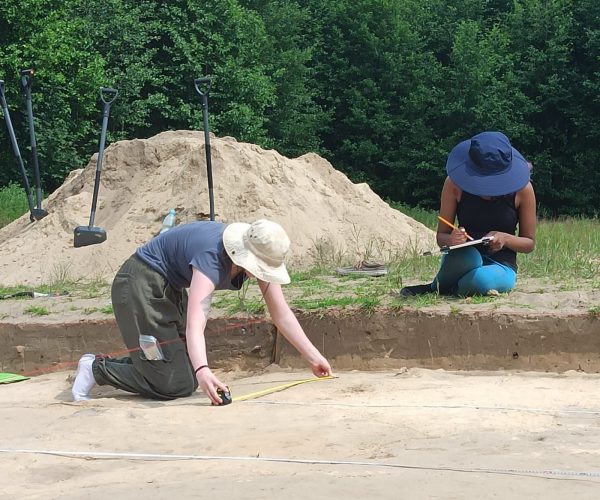
This field school offers a unique opportunity to put bioarchaeology into practice. All students receive hands-on experience in excavating human skeletal burials as well as related archaeological features and artefacts, from discovery to final removal. A strong osteological laboratory component makes the experience full and complete.

Slavia Field School Projects 2027

Participants will receive training in:

  • Adult and Juvenile Osteology
  • Human Burial Excavation
  • Bioarchaeology in Practice
  • Early Medieval and early modern Funerary Practices in Central Europe
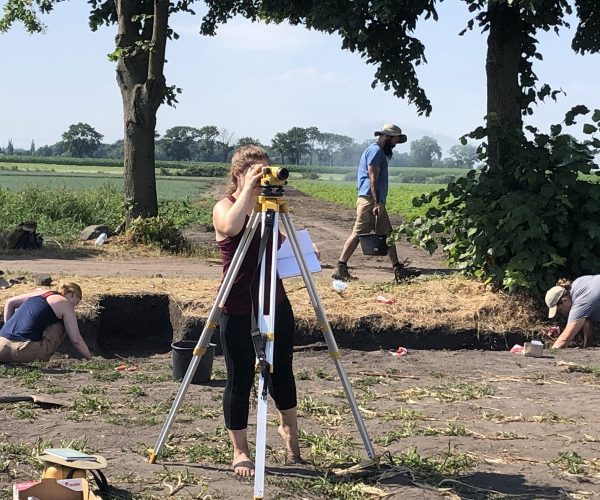
  • Archaeological Field Research Techniques
  • Archaeological Material Processing and Curation

Course advantages:

  • Osteology Access
  • Hands-on experience with real human remains in the field and lab (all permits and logistics covered)
  • Room & Board Full Accommodation & All Meals Included
  • Mentorship
  • Low Student-to-Instructor Ratio (1:4–1:5)
  • International Environment
  • Learn and collaborate with students from around the world
  • Expert Guidance
  • Receive training and support from experienced archaeologists and bioarchaeologists
  • Language of Instruction
  • English

Hands-On Bioarchaeology

Since 1999 the Field School in Mortuary Archaeology has provided students with instruction in archaeology, mortuary archaeology, and human osteology. Over the course of the field school, you will gain experiential know-how in excavation techniques, documentation of authentic archaeological features and artifacts, and recovery of human skeletal remains. We offer you an opportunity to get the most of bioarchaeology both in the field and laboratory while immersing yourself in the Central European culture. The Mortuary Archaeology Field School provides a unique opportunity for archaeology and bioarchaeology students, as well as future practitioners of forensic sciences and anyone interested in mortuary archeology, to learn recovery and documentation techniques on both archaeological and human remains. The language of the project is English. Academic credits are available.